-
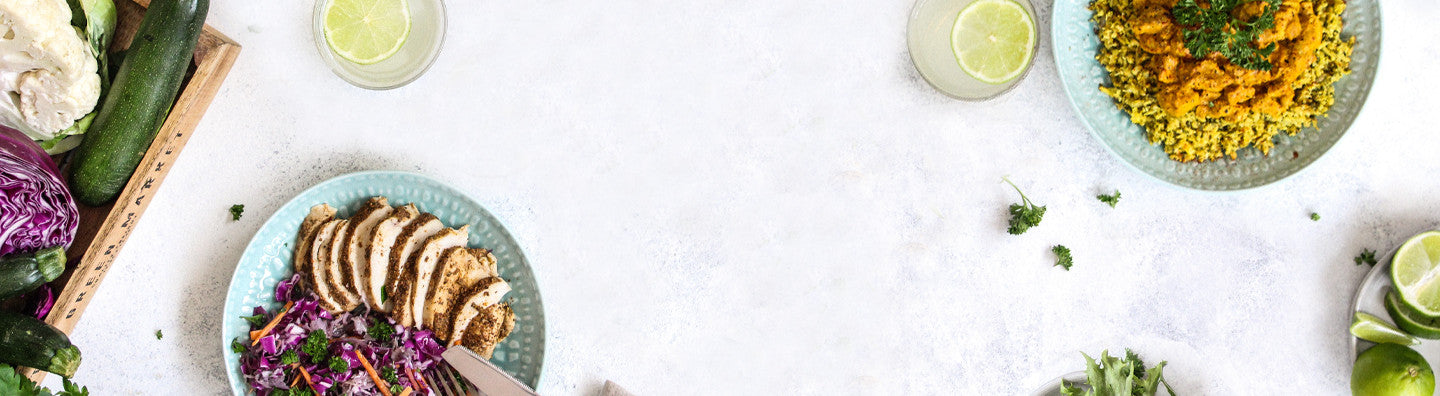
Start with two closed hands of non-starchy vegetables with each meal. E.g. leafy greens, broccoli, capsicum, carrots, mushrooms and tomatoes. This should make up most of the plate.
-
Add one palm-sized portion of protein with each meal. E.g. chicken, beef, lamb, pork, eggs and seafood. People who need more protein generally have a larger hand!
-
Add one cupped hand size of smart carbs with each post-workout meal. E.g. sweet potato, brown rice and chickpeas. Adjust depending on your level of activity.
-
Cook or garnish meals with healthy fats, like olive oil and macadamia oil. You could also add avocado, nuts or seeds, to taste.
Posted by Anthea England on | Tags: Food
[vc_row][vc_column][vc_column_text]Alongside the important question of “what do I want for lunch?” is the second most important question: “how big should it be?” Turns out, Aussies are suffering from a case of portion distortion. Here’s our guide to getting it right, every time.
The first rule of portion sizes: the size of your plate matters! Research from Deakin University found that simply doubling the size of your plate leads to a 44% increase in how much you eat, on average. This is alarming, considering data suggests our plate sizes have increased by 36% since 1960 – so we could be upsizing our lunch by accident.
To further complicate things: our portion sizes in Australia are growing. New research from the George Institute of Global Health found in Australia, the portion sizes for discretionary foods have increased by up to 66% since 1995. And that's just for treat food like pizza, cake, ice-cream and wine.
[/vc_column_text][/vc_column][/vc_row][vc_row][vc_column][vc_single_image image="442" img_size="full" alignment="center"][/vc_column][/vc_row][vc_row][vc_column width="2/3"][vc_column_text]So if we can’t rely on the size of our plate or our serving sizes, how do we find the correct portion for breakfast, lunch and dinner? Here’s an easy base guide, which can be adjusted depending on your goals: